
Physical Benefits
Physical Benefits of Meditation

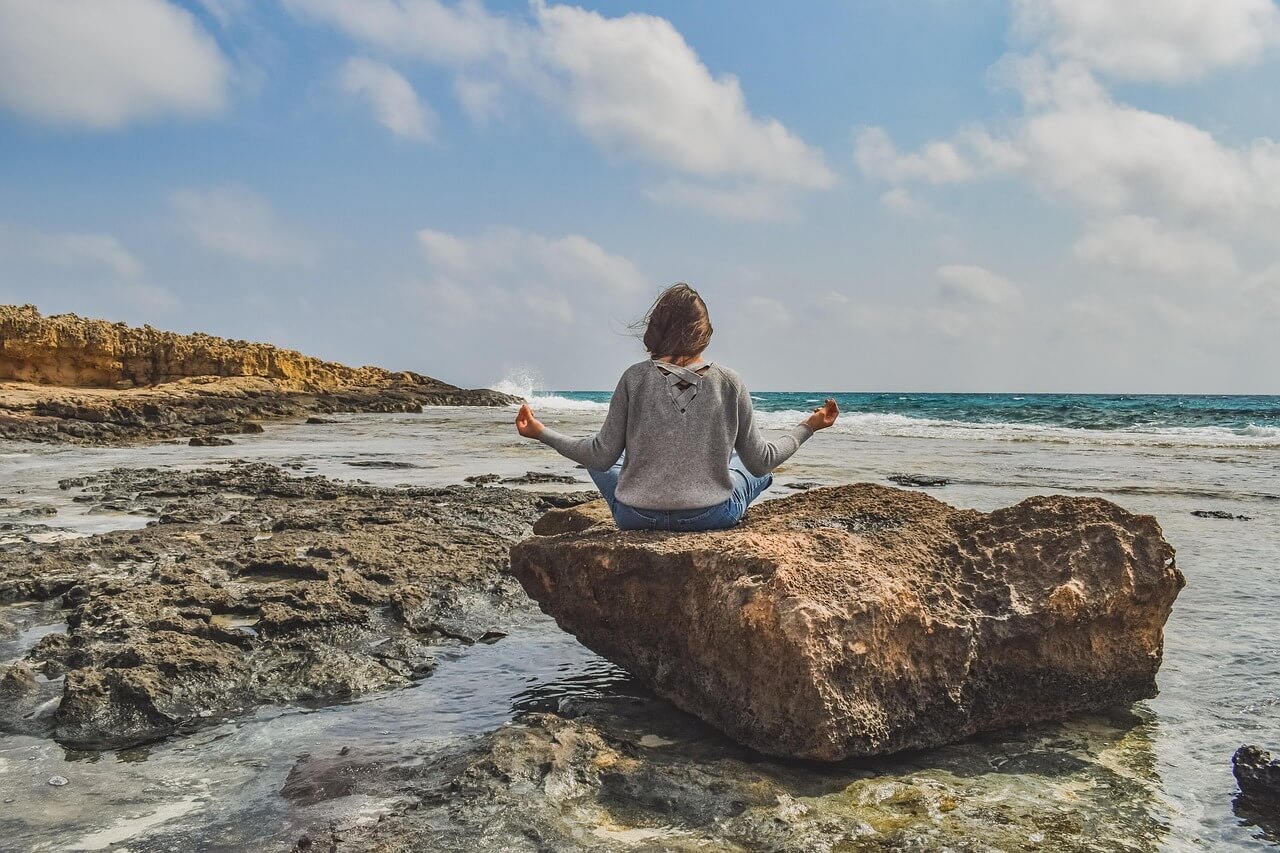
The body is a reflection of the mind. When the mind is restless, the body carries stress, tension, and disease. When the mind becomes calm and balanced, the body naturally moves toward healing and vitality. Original Meditation acts like a bridge that restores harmony between body and mind, creating an environment where health can flourish naturally. The following physical benefits show how meditation directly influences the body’s strength, energy, and overall wellness.
1. Reduced Muscle Tension and Relaxed Nervous System
Meditation lowers the body’s stress response, allowing muscles to release tightness and the nervous system to shift from “fight or flight” into a relaxed state. This eases headaches, neck stiffness, and other tension-related discomforts.
2. Improved Immune Function
Chronic stress weakens immunity, but meditation strengthens it by calming cortisol levels and enhancing the body’s natural defense system. A regular practice helps the body fight infections and recover faster from illnesses.
3. Lower Blood Pressure
By inducing deep relaxation and reducing stress hormones, meditation helps blood vessels expand and improves circulation. Over time, this leads to healthier blood pressure levels and reduces the risk of heart-related conditions.
4. Enhanced Quality of Sleep
Meditation teaches the body to release accumulated restlessness and promotes a natural rhythm of relaxation. People who meditate often fall asleep faster, sleep more deeply, and wake up feeling more refreshed.
5. Balanced Energy Levels
Instead of draining energy through stress and constant mental activity, meditation conserves and balances it. Practitioners often notice that they feel more energized during the day without relying on stimulants like caffeine.
6. Better Digestion and Gut Health
Stress disrupts digestion, but meditation activates the parasympathetic nervous system, which supports healthy digestion. This reduces issues like bloating, indigestion, and irregular bowel movements.
7. Improved Respiratory Function
By focusing on conscious breathing, meditation enhances lung capacity, oxygen intake, and overall respiratory efficiency. This is especially beneficial for those dealing with shallow breathing due to stress or sedentary lifestyles.
8. Reduced Risk of Stress-Related Illnesses
Many physical illnesses—such as hypertension, migraines, and chronic pain—are triggered or worsened by stress. Meditation reduces stress at its root, lowering the risk of these conditions naturally.
9. Enhanced Body Awareness and Posture
Meditation cultivates mindfulness of the body, making individuals more aware of how they sit, stand, and move. This awareness improves posture, reduces strain on joints, and prevents unnecessary physical discomfort.
10. Slowed Biological Aging
Studies have shown that meditation can positively influence cellular health by reducing oxidative stress and promoting longevity. Practitioners often appear more youthful and feel healthier as their bodies age more gracefully.
The physical body is not separate from the mind; both are deeply interconnected. Through meditation, the body receives the gift of relaxation, healing, and renewal. It becomes lighter, healthier, and more vibrant, allowing life to be lived with energy and vitality rather than fatigue and disease.

Self-inquiry is a timeless meditation practice that directs the mind inward, helping us explore the true essence of who we are. At its core, this technique involves asking profound questions like “Who am I?” or “Am I aware?” These inquiries may seem simple, but they lead us to profound self-discovery, unraveling layers of conditioning, beliefs, and attachments that obscure our true nature.
Understanding Self-Inquiry
Self-inquiry is not about seeking intellectual answers or conceptual understanding. Instead, it is a process of turning the mind inward to focus on the very essence of awareness. The goal is not to analyze but to experience the answer directly by uncovering the awareness that exists beyond thoughts, emotions, and sensory perceptions.
This technique has been embraced by spiritual masters throughout history as a direct path to self-realization. It is powerful because it bypasses external distractions and aims to dissolve the ego, revealing the unchanging presence of awareness.
Step-by-Step Guide to Practicing Self-Inquiry
Create a Quiet Space
Find a calm and comfortable environment where you can sit without distractions. Close your eyes to minimize external stimuli and relax your body.
Set an Intention
Begin with a clear intention to explore the question “Who am I?” Let go of any expectations about the outcome and simply remain open to the process.
Ask the Question
Bring your attention inward and silently ask, “Who am I?” Allow the question to arise naturally and rest in the silence that follows. Avoid trying to answer it intellectually. Instead, focus on the feeling of the question itself.
Observe What Arises
Notice the thoughts, feelings, or sensations that come to the surface. Each time something arises, recognize that it is not you but merely an object of your awareness. For example:
If a thought arises, acknowledge it as “a thought I am aware of.”
If an emotion arises, recognize it as “an emotion I am aware of.”
Gradually, this practice reveals that you are not your thoughts, emotions, or body but the awareness observing them.
Return to Awareness
Each time the mind gets caught in distractions, gently return to the inquiry. Ask again, “Who am I?” This repetitive redirection helps dissolve layers of identification with the external world.
Deepen the Inquiry
As you continue, refine the question to “Am I aware?” or “What is the source of my awareness?” These questions guide you toward directly experiencing the presence of awareness.
Common Experiences During Self-Inquiry
Moments of Stillness: You may feel moments of deep silence and peace as the mind quiets.
Resistance: The ego may resist, leading to feelings of restlessness or doubt. Acknowledge these as part of the process and return to the inquiry.
Expansiveness: Over time, you may sense a boundless presence that feels deeply familiar and unchanging.
Benefits of Self-Inquiry
Clarity: It dissolves mental clutter, allowing you to see life with greater clarity.
Inner Peace: By transcending egoic identifications, you experience a profound sense of stillness and contentment.
Connection: Self-inquiry connects you to your true essence, which is pure awareness, free from limitations.
Tips for Success
Practice Daily: Even five to ten minutes a day can yield transformative results over time.
Be Patient: This technique may not bring immediate results. The journey of self-inquiry requires patience and persistence.
Stay Open: Let go of the need to achieve or control the process. Trust that the practice is unfolding exactly as it should.
Conclusion
Self-inquiry is not just a meditation technique; it is a way of life that continuously redirects us to our true nature. By asking the question “Who am I?” with sincerity and openness, we begin to dissolve the illusions that separate us from our true self. Through consistent practice, this simple yet profound inquiry unveils the timeless awareness that we are—and have always been.


Sound Meditation: Union Through Sound

Inner Engineering Meditations: A Path to Inner Balance and Joy

Manifesting Your True Potential: A Guide to Thought Energy Visualization

Discovering the Depth of Self-Inquiry: “Who Am I?”

Meditation vs. Contemplation: Understanding the Differences and Their Unique Benefits

Inner Body Awareness: A Gateway to Deep Presence and Connection
-
 Emotional Benefits2 years ago
Discovering the Depth of Self-Inquiry: “Who Am I?”
-
 Meditation Beyond Mental Effort2 years ago
Meditation vs. Contemplation: Understanding the Differences and Their Unique Benefits
-
 Meditation2 years ago
Inner Body Awareness: A Gateway to Deep Presence and Connection
-

 Meditation2 years ago
Watching the Thinker: A Transformative Meditation Technique
-

 Meditation Beyond Mental Effort2 years ago
Meditation vs. Concentration: Understanding the Key Differences for a Deeper Practice
-

 Meditation Techniques2 years ago
Living in the Now: Embracing the Present Moment
-

 Meditation Techniques2 years ago
Effortless Awareness: A Path to True Stillness
-

 Meditation Techniques2 years ago
Letting Go: Embracing Freedom Through Non-Resistance